
But the truth is, drinking regularly—even moderate drinking—is much more likely to interfere with your sleep than to assist it. It’s not because I don’t appreciate a glass of wine with a great meal, or a few beers on a hot summer evening. It’s because I know what alcohol can do to sleep and healthy circadian rhythms. Talk to your physician about whether short-term use of prescribed medications may help you sleep for the first few days.

I recommend to my patients drinking two to three times a week. During the second half of the night, sleep becomes more actively disrupted. The rebound effect may include more time in REM—a lighter sleep stage from which it is easy to be awakened. For many people who drink moderately, falling asleep more quickly may seem like an advantage of a nightly glass of wine. But alcohol goes on to affect the entire night of sleep to come. Does this mean you need to abstain from drinking altogether?
How Does Alcohol Impact Sleep?
Or in any place you feel comfortable and can have uninterrupted time to yourself. Using substitutes might also alleviate the anxiety you might have around quitting alcohol before bed. In the short term, sleep apnoea sufferers feel unrested in the morning. In the long term, it can lead to the risk of strokes and heart attacks. Alcohol can cause sleep apnoea or make it worse if you already have it. Sleep apnoea is a condition that affects your breathing while you sleep.
Alcohol interrupts your natural sleep cycle, reducing the restorative benefits you get from deep sleep. You wake up more often in the night, you rarely reach deep sleep, and you don’t sleep for as long as you should. Before we look at the effects of alcohol on sleep in detail, here’s the basic bottom line. The more you drink, and the closer your drinking is to bedtime, the more it will negatively impact your sleep. Even moderate amounts of alcohol in your system at bedtime alters sleep architecture—the natural flow of sleep through different stages.
The Best Things to do Before Bed
When it comes to alcohol and insomnia, many people will struggle to deal with the symptoms alone. As a lack of sleep can worsen other symptoms, it is essential to have the support of the alcohol treatment center professionals you need when decided to stop drinking. Withdrawal occurs when the body is adjusting to life without the substance. There are some symptoms of withdrawal, including nausea, tremors, and depression. The inability to sleep is just another one of those symptoms. It is often partly caused by the coinciding sign of anxiety, which sends the mind racing and makes it incredibly difficult for the person withdrawing to sleep.
You experience grogginess and perhaps the initial difficulty in getting out of bed right away. Alcohol is a muscle relaxant and relaxes the muscles in your upper airways, disrupting normal breathing. Drinking can be especially dangerous for people with obstructive sleep apnea, who wake up many times during the night as their airways momentarily collapse. But even if you thud into dreamland, there’s a good chance that too much alcohol will mean a fitful night of sleep.
Mirtazapine vs Trazodone for sleep
This nighttime beverage you believe is sending you to sleep? How much sleep is enough varies from person to person, but most adults need seven to eight hours a night. https://ecosoberhouse.com/ The digestive process can keep you awake, so it’s best to avoid these foods just before bed. If you drink caffeinated drinks, have your last cup before noon.
If you’re one of the millions of Americans who struggle with insomnia, you may find your mind racing and your body tossing and turning when you just want to be asleep. Waking up in the middle of the night is called insomnia, and it’s a common problem. Over-the-counter sleep aids rarely offer significant or sustained help for this problem. how to fall asleep without alcohol If insomnia makes it hard for you to function during the day, see your doctor to identify the cause of your sleep problem and how it can be treated. If your doctor thinks you could have a sleep disorder, you might be referred to a sleep center for special testing. You can start by going to bed early rather than sleeping in late.
These are changes you can make to your environment and routine to help promote sleep. The first treatment for insomnia in recovery is sobriety, and many patients will see improvement. In fact, 12-step recovery programs often refer to the factors that increase a person’s risk for relapse as HALT, standing for Hungry, Angry, Lonely, or Tired. Sleep disruptions may increase the risk that a person will feel tired, which might cause a person to reach for a drink if they feel like they can sleep sober.
- Sleep drunkenness is a sleep disorder that describes feelings of sudden action or reflex upon waking up.
- Sleep deprivation only makes the experience of withdrawal more uncomfortable.
- In some instances this can work — you go through the tough period then it’s done with.
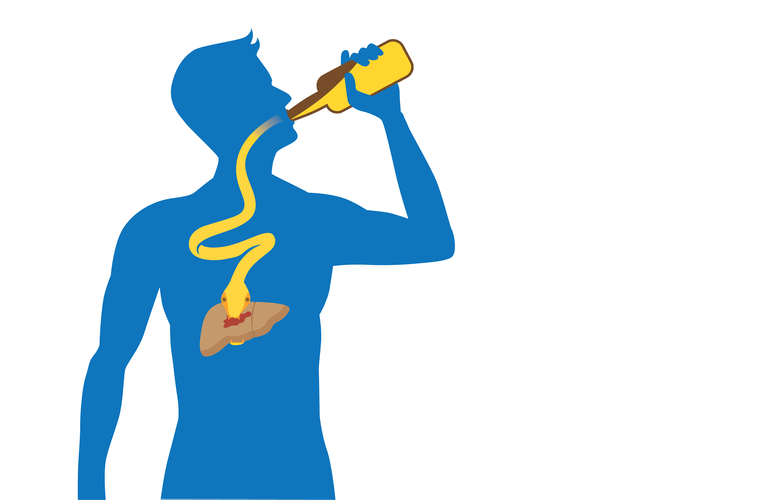
- Alcohol interferes with these circadian rhythms regulating the liver, and can contribute to compromised liver function, liver toxicity, and disease.
- Craig’s qualifications are evident in his successful track record helping people quit drinking.
Exercise can increase endorphins, the brain chemicals that improve mood and relaxation. The effects of dehydration can leave you with a raging headache, make you feel dizzy, and lead to all-around wretchedness when you wake. As we age, our metabolism slows down and our body is not able to flush out the toxins as quickly. Just think about the hangover in your 20s versus the pitiful affair that is the hangover in your 30s.
Recent Comments